
Professional Glass Scratch Removal & Restoration
Based in Austin, Texas, Glass Savers specializes in professional scratched glass repair, acid etched graffiti removal, fabrication debris scratch removal, and severe hard water stain restoration. I personally service homes, commercial buildings, and architectural glass projects throughout Austin TX, Southern California, and travel nationwide for large-scale installations.
Core Services
Glass Savers removes damage from all types of structural and architectural glass without leaving optical distortion.
Scratched Glass Repair
Post-construction, fabrication debris, and deep scratches – all fixed distortion-free.
Learn more about scratched glass repair →Nationwide Special Projects
Luxury homes, yachts, high-rises – I travel for oversized & custom jobs.
Learn more about nationwide services →Eco-Friendly Solution
Restore instead of replace – save money, reduce waste, and protect the planet.
Learn more about the eco-friendly process →See The Difference
Drag the slider to see actual distortion-free graffiti and scratch removal.
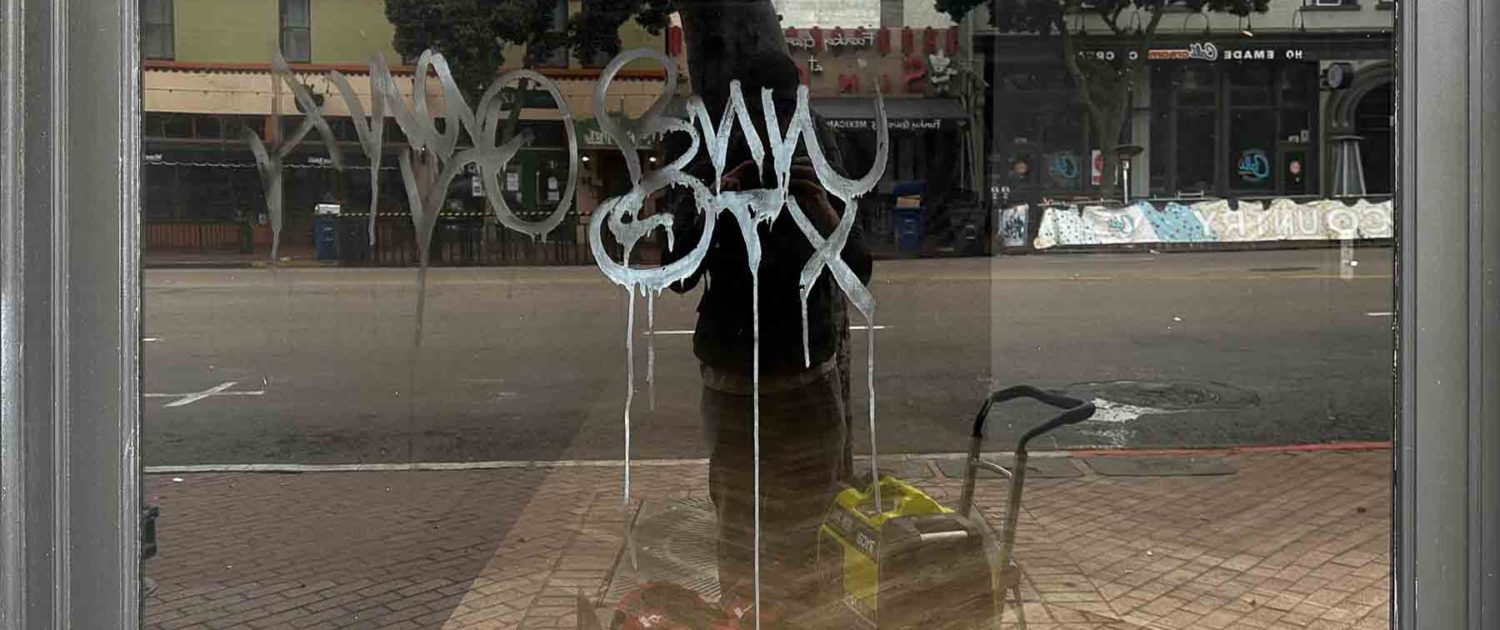
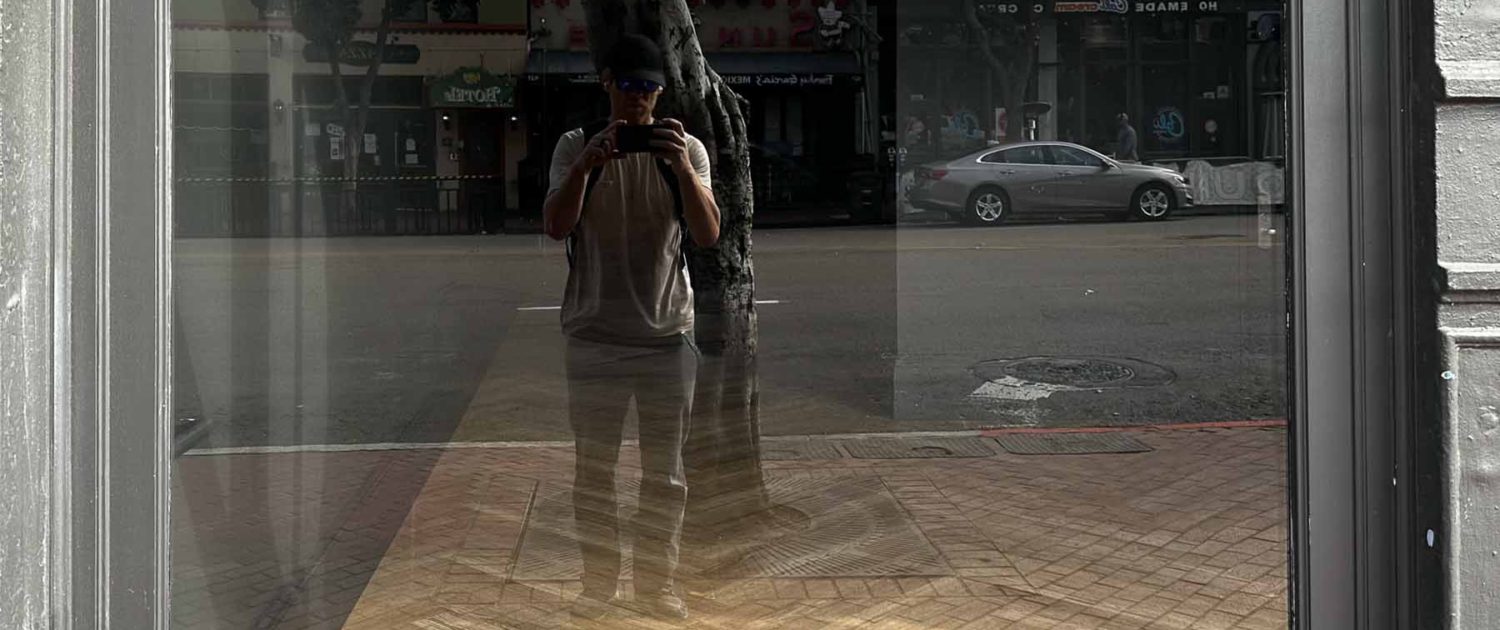
Real Project Savings: $120,000 Avoided
A commercial property manager in San Diego contacted me after post-construction cleaners scratched more than 40 storefront panels.
- Replacement quote: $120,000
- Glass Savers restoration: $18,500
- Time saved: 6 weeks
Professional glass resurfacing allowed the building to open on time while avoiding massive replacement costs and supply chain delays.
View Full Gallery
How The Restoration Process Works
Most projects begin with a quick photo estimate.
1. Send Photos
Email or text photos of the damaged glass. Most estimates can be provided within hours.
2. Damage Evaluation
I determine scratch depth and recommend repair or replacement if restoration is not ideal.
3. Restoration
Using professional resurfacing equipment, scratches and damage are removed without distortion.
4. Crystal Clear
Your glass is restored to optical clarity at a fraction of the replacement cost.
Why Choose Glass Savers?
Glass Savers does not rely on basic DIY kits that leave behind visible low spots or "fun house" haziness. I use a proprietary system with in-house discs to ensure your glass isn't just smooth, but completely optically clear.
- Save 50% to 80% over full glass replacement. Quicker completion with less disruption.
- No Distortion: Dedicated professional resurfacing, guaranteeing crystal clarity.
- Fully Insured: $2M liability coverage. I'll add you as additional insured at no cost.
- Flexible Payments: Cash, check, or credit/debit with secure online payment.
What Clients Are Saying
Real reviews from homeowners, business owners, and commercial project managers.
"Doug is an extremely hard working individual... He literally resolved issues on over 10+ units of glass. This fix by Doug saved hundreds of thousands of dollars in labor and materials, but more importantly TIME."
President & CEO, IGM Inc."I've hired Doug multiple times now for glass repair, and I can't imagine working with anyone else at this point. He's truly mastered the craft. I would describe him as respectful, knowledgeable, meticulous, and kind."
Pink's Window Service (Austin, TX)"Hey Doug, we just wanted to call you and congratulate you... You saved everybody a whole lot of challenges and money... definitely make you our first phone call."
SGS Glass, Seattle, WA"I called a lot of places before Glass Savers — all of which said restoring glass can't be done. Then I emailed Doug. He came out that week and completely transformed the window. It was originally scratched from raccoons and you would not even be able to tell — looks brand new!"
San Diego, CA (via Yelp)"Great work! The large window panes came out beautifully... He was also honest and upfront with me about the door window — reduced the price and advised us to replace that window instead. Will surely use again!"
San Diego, CA (via Yelp)"Doug was amazing from the start! He responded very quickly, understood my situation, and gave me a very reasonable price. It's very hard to find businesses who are humble — and he was just that. On time for the job too. I will definitely be recommending Doug."
Long Beach, CA (via Yelp)"Awesome experience! Doug called me back within an hour, gave me an estimate over the phone, and was prompt and professional on the day of. He got 99% of the scratches out of my brand new shower — exactly what he promised. I would definitely use Glass Savers again."
Carlsbad, CA (via Yelp)"Same day they came out, looked over all the glass that needed attention and polishing. Fair prices, nice finished work, and saved me a bundle. I didn't have to replace the windows."
San Francisco, CA (via Yelp)"Very professional, prompt, responsive, and fair with his pricing. I would definitely recommend Glass Savers."
Escondido, CA (via Yelp)"We had graffiti carved into our storefront windows — replacement was more than we could afford. After hearing about SD Glass Restoration from a neighbor we decided to try. Amazingly, they did it. It looks like a new window!"
Escondido, CA (via Yelp)"Excellent job on my windows. Couldn't be happier. Highly recommend Doug at Glass Savers."
Austin, TX"We use Glass Savers for all our post-construction scratch removal jobs. Doug and his team are absolute pros — on time, detail-oriented, and the results speak for themselves."
San Diego, CAFrequently Asked Questions
Can scratched glass be repaired?
Yes. Professional glass resurfacing removes scratches and restores optical clarity without replacing the glass. By grinding the surface down uniformly and polishing it, I eliminate the damage completely.
How much does scratched glass repair cost?
Most projects cost 50–80% less than full glass replacement depending on scratch severity and glass size. My minimum starts at $500, with projects averaging $25-$35 per square foot.
Does glass scratch removal leave distortion?
Not when done correctly by a professional. Basic DIY kits can leave "fun house" waves or low spots, but my proprietary process blends the repair area seamlessly to guarantee distortion-free clarity.
Have a Question? Let's Fix Your Glass Today
Call, text or email for a free quote, site visits, or photo estimates. Most jobs can be started the same week.